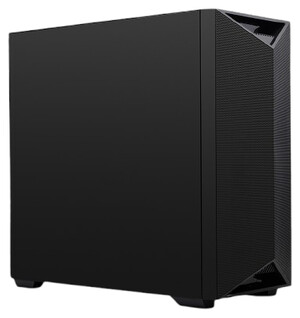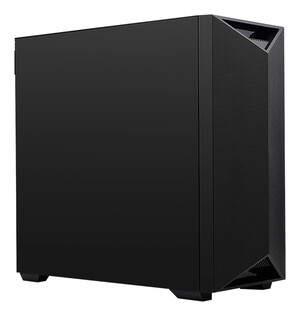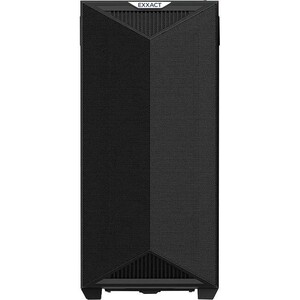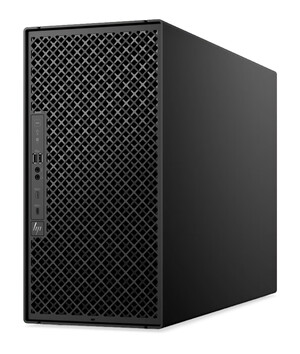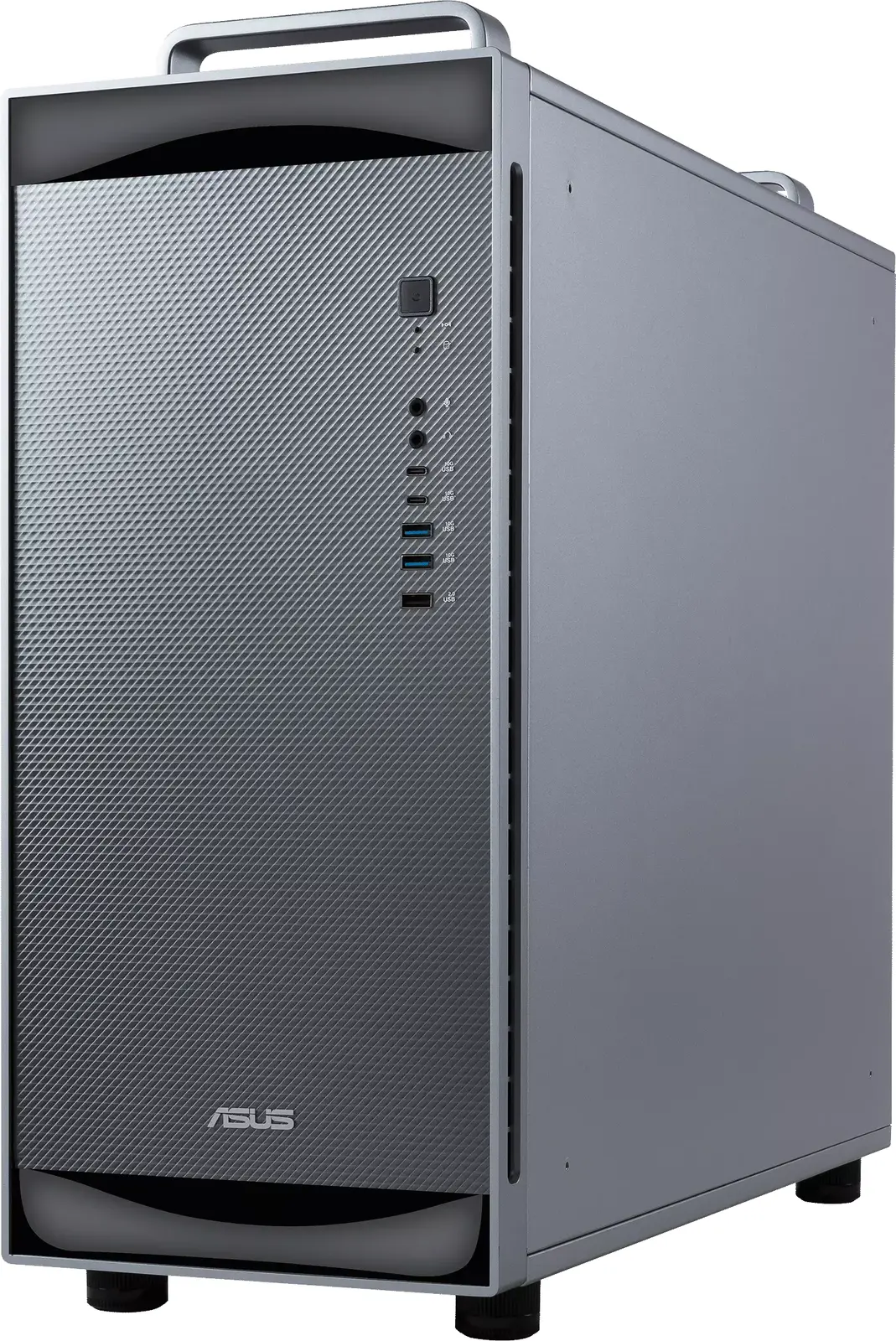
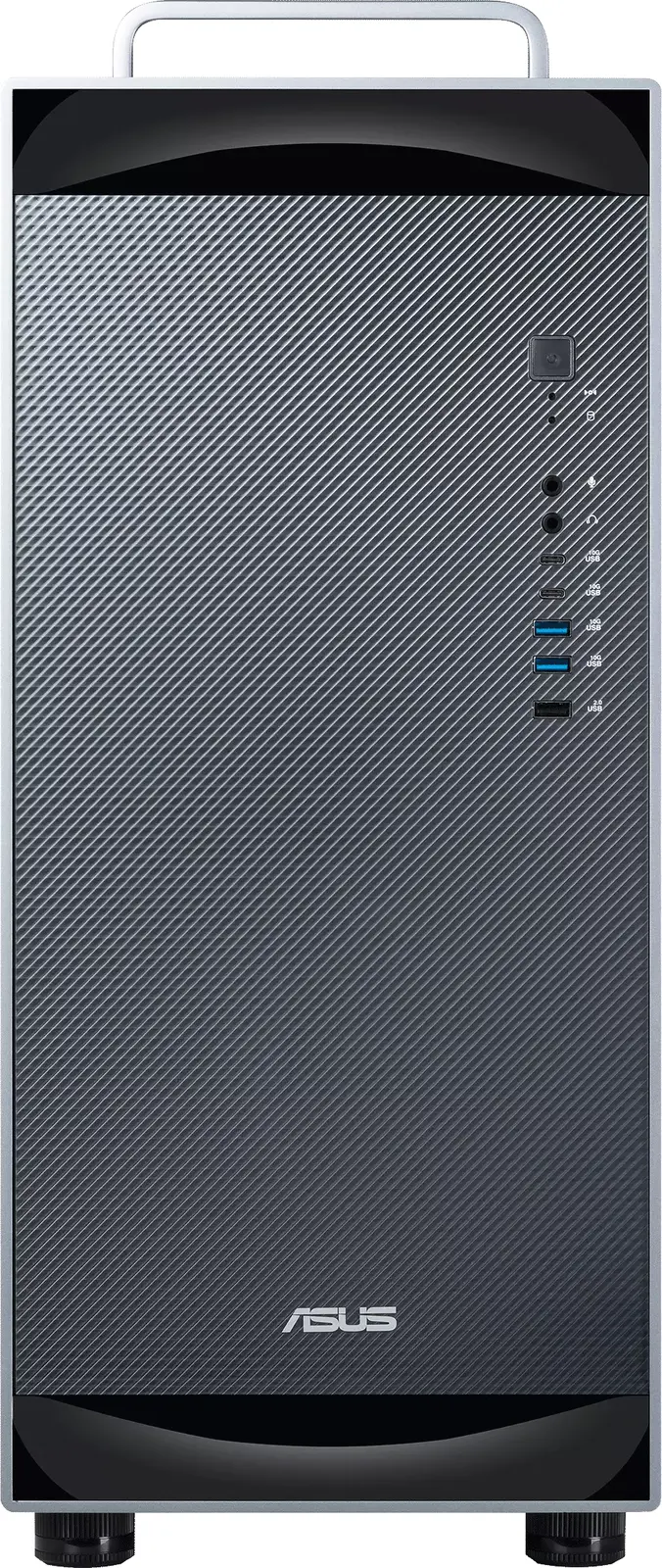
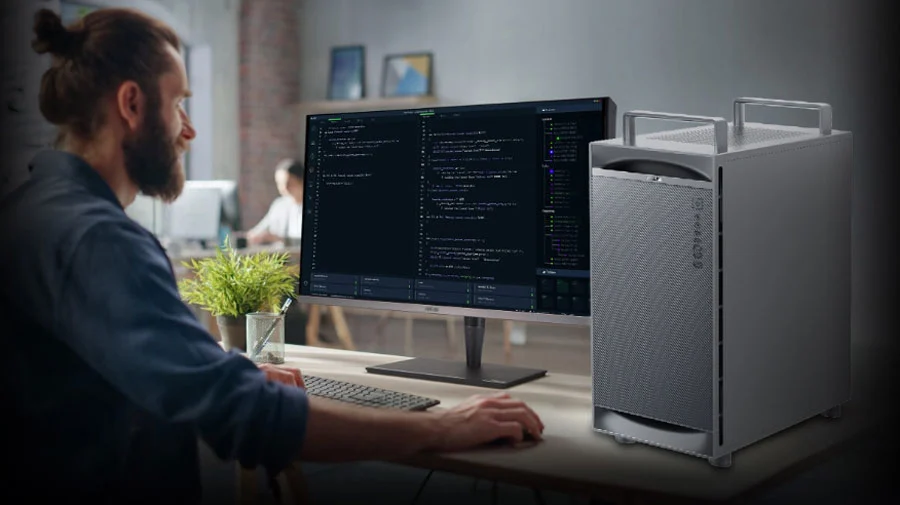
ASUS ExpertCenter Pro ET900N G3 AI Workstation
Use this to tell your different configurations apart in your cart — handy if you order the same product with different options.
Full Specifications
Compute & Memory
CPU
1× NVIDIA Grace CPU Superchip, 72 Arm Neoverse V2 cores
GPU
1× NVIDIA Blackwell Ultra GPU
Coherent Memory
748 GB unified: 496 GB LPDDR5X + 252 GB HBM3e via NVLink-C2C (900 GB/s)
AI Performance
20 PetaFLOPS (FP4)
Storage & Physical
Storage (Slots)
2× M.2 2280 PCIe 5.0 x4 NVMe + 2× M.2 2280 PCIe 6.0 x4 NVMe (64GB/s)
Dimensions
58.4 x 23.2 x 56.5 cm
Weight
27 kg (net)
Networking & Expansion
High-Speed Networking
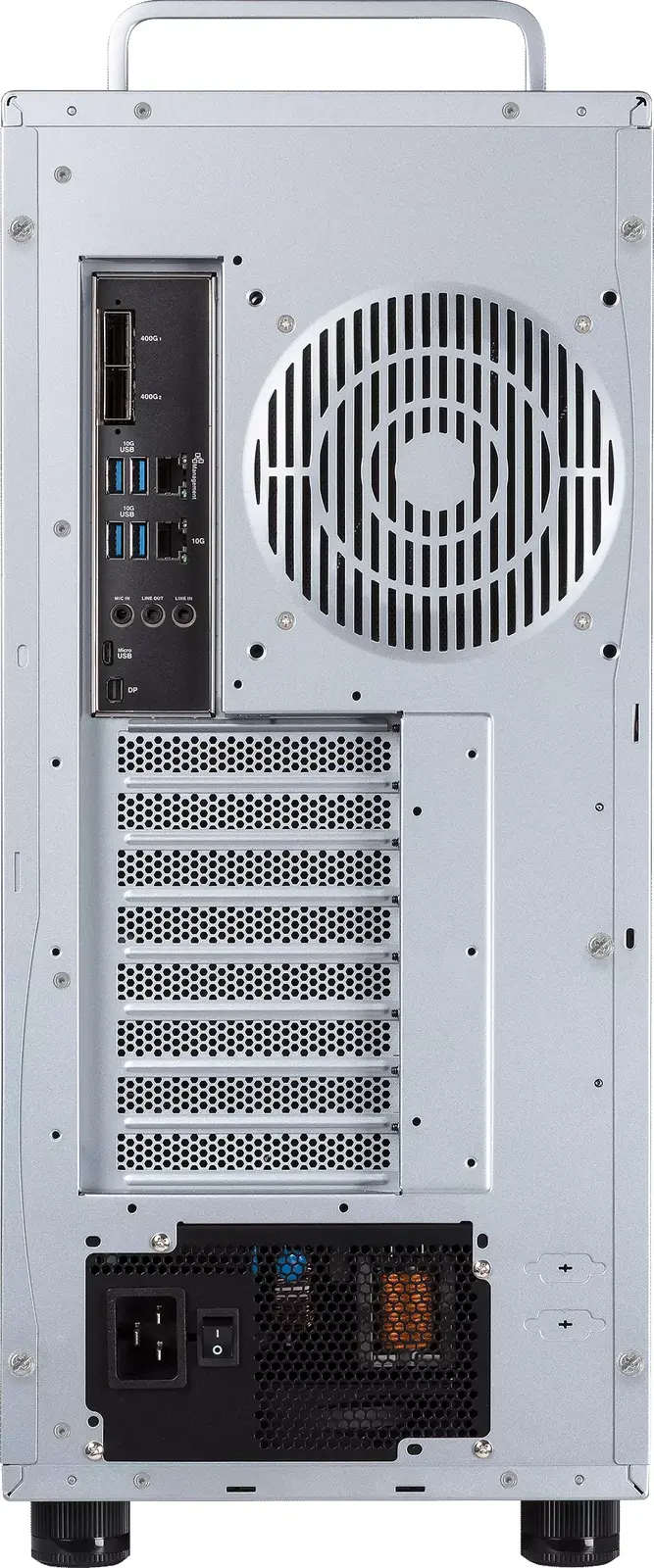
2× 400G QSFP112 ports via NVIDIA ConnectX-8 SuperNIC (800 Gb/s aggregate)
PCIe Expansion
PCIe 5.0, 3× slots (1× x16 + 2× x8), supports additional NVIDIA RTX PRO Blackwell GPUs
Power & Thermal
Power Supply
1600 W ATX power supply, Titanium efficiency (up to 1800 W peak)
Cooling
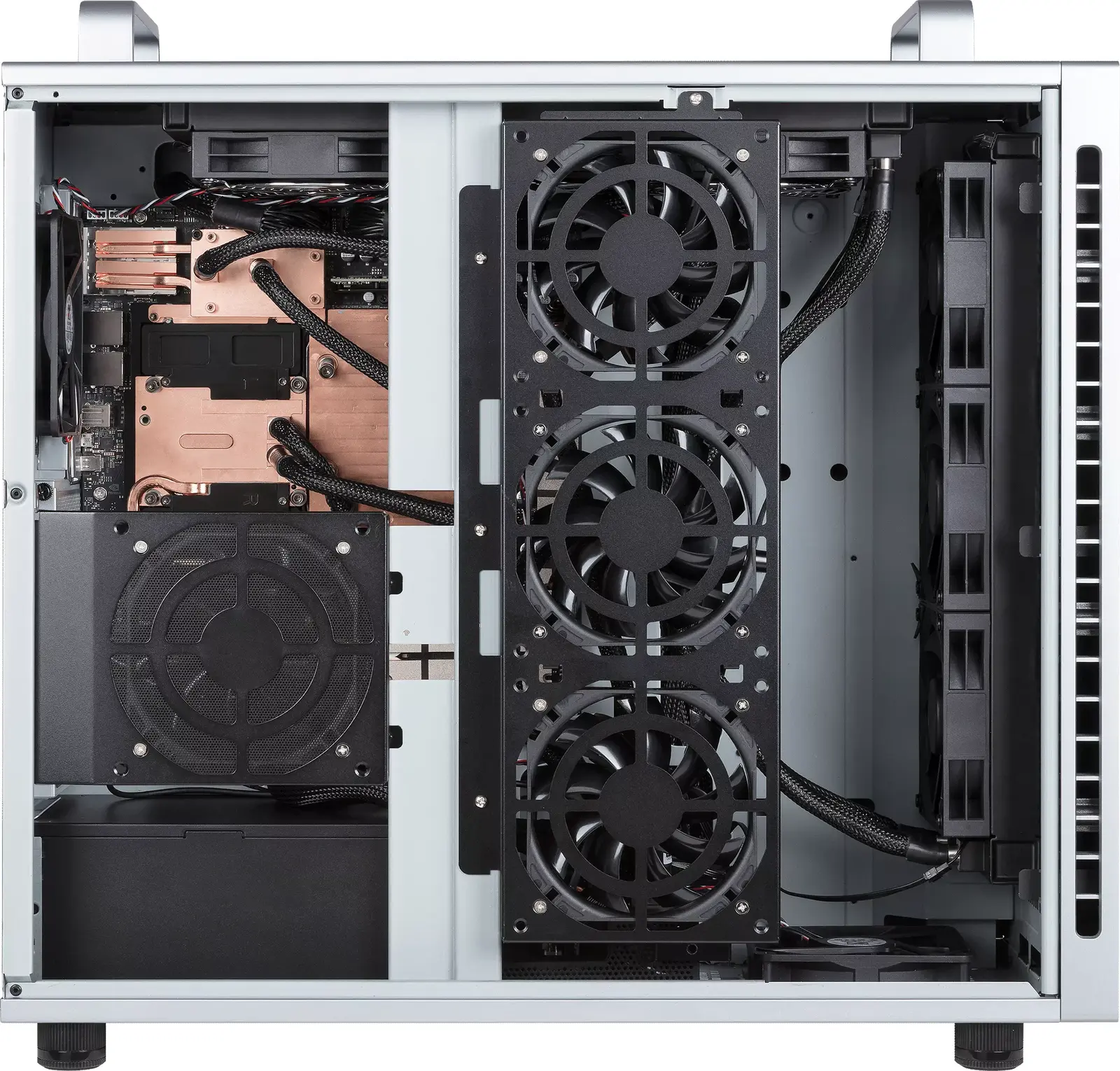
Data-center-grade thermal design, rated for continuous 24/7 operation
Operating Temperature
10 °C to 35 °C ambient
Management & Software
BMC
ASPEED AST2600
Remote Management
IPMI 2.0 and Redfish API, data-center-style monitoring and control
Security
Onboard TPM 2.0
Operating System
Ubuntu-based OS with NVIDIA AI developer software stack
ASUS introduced the ExpertCenter Pro ET900N G3 on June 15, 2026, built around a single NVIDIA GB300 Grace Blackwell Ultra Superchip and packaged in a deskside tower chassis. The system is designed to run trillion-parameter AI models directly on-site.
Hardware Specifications
The ET900N G3 is built around a single NVIDIA Grace CPU Superchip — 72 Arm Neoverse V2 cores and 496 GB LPDDR5X memory — paired with an NVIDIA Blackwell Ultra GPU with 252 GB HBM3e GPU memory. The two are connected via NVLink-C2C at 900 GB/s into a single coherent memory pool of 748 GB, allowing large AI models to be addressed as one unified space rather than split across separate CPU and GPU memory. Storage is arranged across four M.2 2280 NVMe slots: two PCIe 5.0 drives in RAID 1 for the operating system, and two PCIe 6.0 drives for active data and model storage, for up to 8 TB total capacity. Networking is handled by a dual-port ConnectX-8 SuperNIC, providing 800 Gb/s of aggregate bandwidth for connecting to shared storage or additional compute systems.
Local AI Server for Business Use
The ET900N G3 is designed to function as a shared local AI resource rather than a single-user tool. Multiple employees can submit document processing tasks — contract review, invoice extraction, report drafting, email triage — throughout the working day, with jobs handled centrally on-site instead of routed through external cloud services.
Through NVIDIA NemoClaw, autonomous agents can run continuously on the system, handling recurring tasks such as inbox monitoring or scheduled report generation without requiring a person to initiate each request. This allows the ET900N G3 to operate as ongoing AI infrastructure for the business, supporting steady document workloads.
Cost Comparison: On-Premises vs. Cloud AI APIs
For SMBs processing high volumes of documents on a daily basis, the difference between a fixed on-premises system and usage-based cloud AI billing compounds significantly over time.
| Cost Category | Cloud AI APIs | ET900N G3 (On-Premises) |
|---|---|---|
| Initial hardware investment | None | €100K (one-time) |
| Year 1 operating cost | ~€100k – ~€200k | ~€4k (power & maintenance) |
| Year 2 operating cost | ~€100k – ~€200k | ~€4k (power & maintenance) |
| Year 3 operating cost | ~€100k – ~€200k | ~€4k (power & maintenance) |
| Cumulative 3-year cost | ~€300k – ~€600k | ~€115K |
Because processing takes place entirely on-site, documents and business data are not transmitted to third-party servers. This is a relevant consideration for organizations in legal, financial, or other data-sensitive sectors.
Expansion for Growing Workloads
Three PCIe 5.0 slots (one x16, two x8) allow the system to be extended with additional discrete GPUs, including a NVIDIA RTX PRO Blackwell-series card (96GB GDDR7).
NVIDIA Multi-Instance GPU (MIG) technology allows the Blackwell Ultra GPU to be partitioned into as many as seven isolated instances. This lets a single ET900N G3 serve several separate workloads at once — for example, one team fine-tuning a model while another runs inference — with each instance operating independently of the others.
Enterprise-Grade Reliability and Remote Management
The ET900N G3 is engineered for continuous, unattended operation. Its thermal design is rated for sustained 24/7 workloads across an ambient operating range of 10 °C to 35 °C, backed by a 1600 W Titanium-efficiency power supply capable of up to 1800 W under peak GPU load. An ASPEED AST2600 baseboard management controller provides IPMI 2.0 and Redfish-based remote monitoring and control — the same standards used to manage data center servers — while an onboard TPM 2.0 module supports hardware-based security.
Summary
The ExpertCenter Pro ET900N G3 concentrates data-center-class AI compute, coherent memory, and enterprise manageability into a single deskside system. For SMBs with sustained AI workloads, it offers a lower cost alternative to recurring cloud AI expenditure.